
 Emergencies


- Details
Did you know that there are guidelines for minimum space requirements for housing guinea pigs?
We have pulled together some guidelines for you to ensure that your guinea pigs have the space they need to keep fit and healthy.
Please click here for more information on how to access our services.

Did you know that there are guidelines for minimum space requirements for housing guinea pigs?
We have pulled together some guidelines for you to ensure that your guinea pigs have the space they need to keep fit and healthy.

With two welcomed bank holiday weekends in May, we wanted to let you know that our opening hours will vary from our usual times. Please see below our opening times and our out of hours contact number:

The ear mite, Otodectes Cynotis, is a mite that lives on dogs, cats, rabbits, and ferrets. It is typically found in the ear canal but can also live on the skin of your pet. Ear mites are caught through direct contact with another carrier animal. The mite may be seen as a white speck, about the size of a pinhead, moving against a dark background.

Does your dog come into regular contact with other dogs? Maybe out on walks, at the park, or when they’re staying in kennels? If so, we’d highly recommend a Kennel Cough vaccine or booster. And, with our new oral vaccine, it’s now even easier to protect your dog.

How do you feel about the relaxation of the lockdown restrictions? Relieved? Anxious? If we could ask our pets the same question, we’re fairly certain their answers would put them in one of two camps; those who are looking forward to the peace and quiet and those dreading not being with us 24/7.

Bacterial skin infections can have many causes, such as allergies. Regardless of the reason, skin infections require swift action by pet owners as they cause itching and pain. Some dogs are more vulnerable to develop bacterial skin infections than others.

Tips and advice for new puppy owners
As we get closer to COVID-19 related restrictions being slowly relaxed you’ll be looking forward to getting out and about more with your new puppy. Or, perhaps you’re thinking of buying a new puppy as life returns back to some kind of normal? Whatever your circumstances, we’ve put together a few tips for all new puppy parents.

Did you know...neutering can have significant healthcare benefits for your pet? Here are just a few of the benefits…

If you're planning on getting out and about in the UK this summer, whether just for the day or for a longer period, we have some tips and advice for you and your pet.
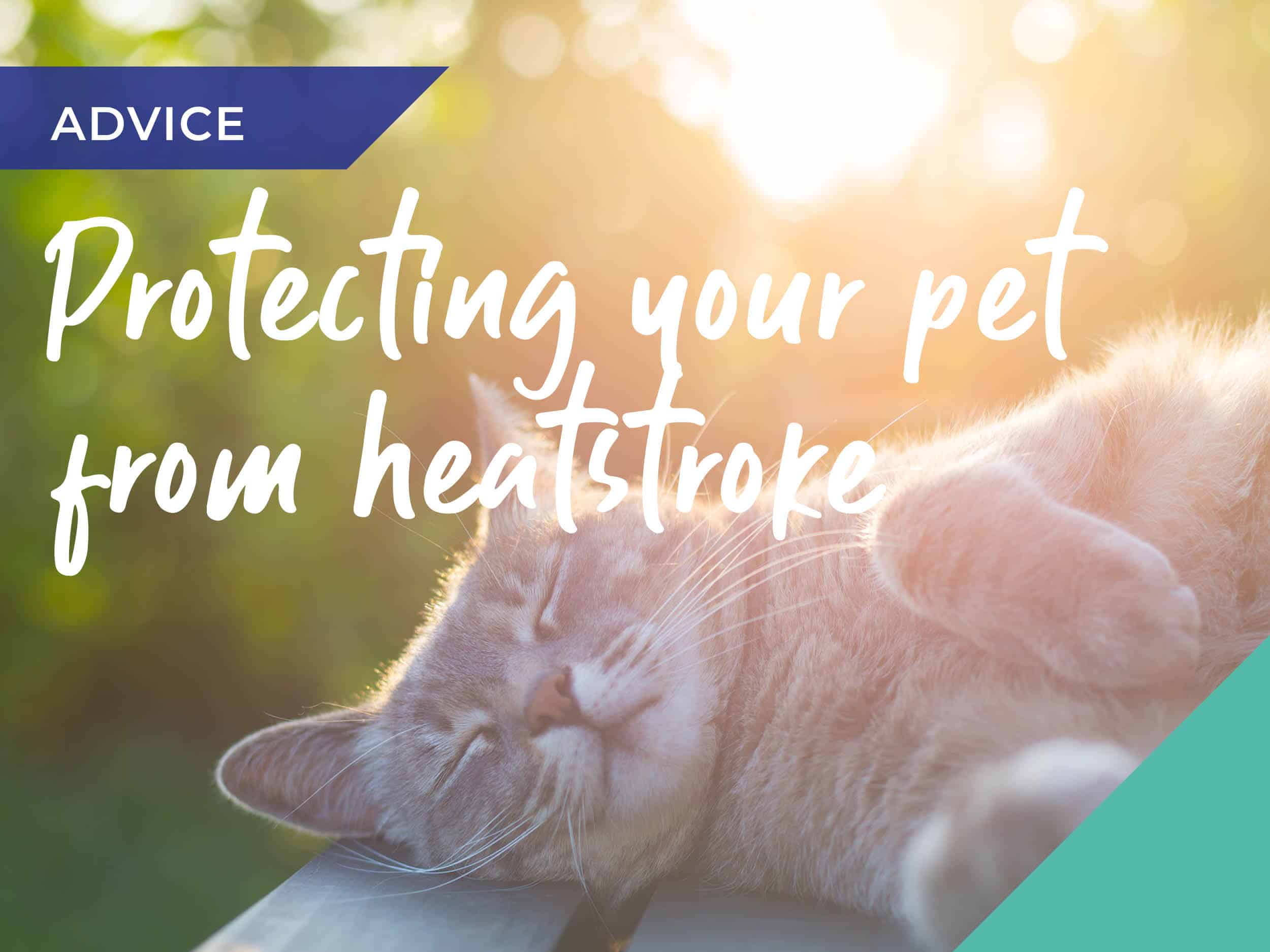
As we head into the summer months and temperatures start rising, it’s important to remember that your pets are most vulnerable at this time to many injuries and illnesses which are brought on by hot weather, including sunburn, footpad burns, dehydration and the most dangerous of all, heatstroke. While heat stress is more common during the summer months, it can occur at any time throughout the year.
Page 11 of 37


