 Emergencies


- Details
 We listened to your feedback and thought we'd try something new and exciting! On Thursday, 18th September between 4.30 and 5pm, we will be hosting our first live 'Ask a vet' Question & Answer session on our Facebook page!
Please click here for more information on how to access our services.
We listened to your feedback and thought we'd try something new and exciting! On Thursday, 18th September between 4.30 and 5pm, we will be hosting our first live 'Ask a vet' Question & Answer session on our Facebook page!
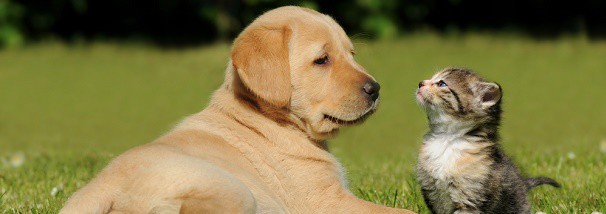 What is neutering?
Neutering is a surgical procedure carried out under anaesthetic. In a male animal, both testes are removed from a small incision made in the scrotum. In females, the uterus and ovaries are removed via an incision either on the left side or underneath.
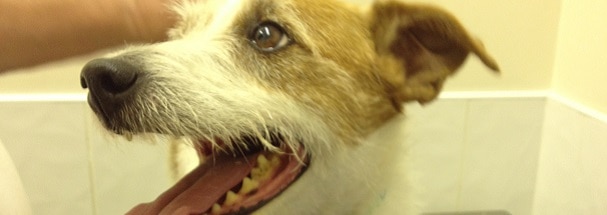 Ted was rushed into the clinic at Shepperton following an accident. He was running around with another dog, slipped and fell onto a metal bar, the sort used to re-enforce concrete. He was obviously shocked and hurt and his owner rushed him to the vets as it was closing at the end of a busy day. He was checked over and despite only having a 1 cm skin wound on his side, we suspected he had more serious injuries. He was being very brave but was obviously in a lot or pain and going into shock. He was immediately given pain relief, treatment for shock and intravenous antibiotics whilst we prepared to treat his injuries.
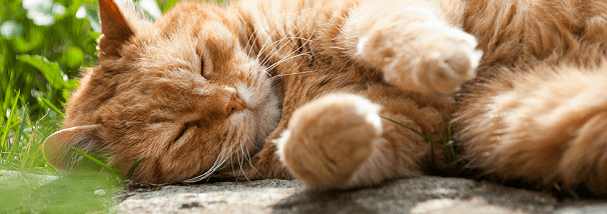 There are many instances in veterinary medicine where your pet may require blood pressure measurement. At Vet4life we monitor many of our patients' blood pressure during anaesthesia and surgery. This helps in the assessment of the plane of anaesthesia; low blood pressure is often the first sign of a deep plane of anaesthesia. We can then match the anaesthetic management closely to the patient's needs throughout their operation and correct low blood pressure before complications occurs. Emergency patients, such as road traffic accidents, may also have their blood pressure assessed for signs of low blood pressure (hypotension) which may indicate shock or blood loss.
Lead Veterinary Surgeon required at Vet4life - Shepperton
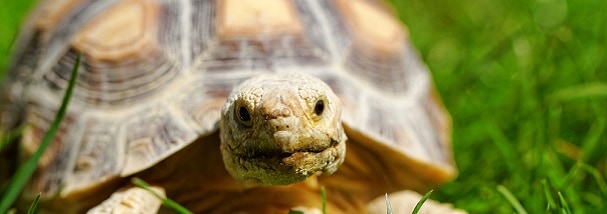 Tortoises are herbivores and therefore eat plant material and need a high percentage of fibre in their diets. This not only acts as a bulking agent, it also helps maintain healthy gut motility, aiding fermentation, which is vital for vitamin/mineral absorption. We recommend the majority of their diet should be composed of vegetable matter of a leafy nature such as dandelions, kale, watercress, flat-leaved parsley, chicory and bok-choy.
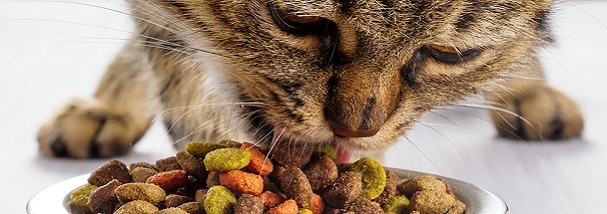 As cats get older, their nutritional requirements start to change. In veterinary practice, cats of seven years and over are placed in the senior category.
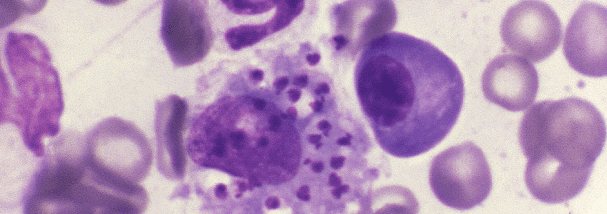 We have recently had a case of Leishmania diagnosed at the practice and as a lot of our clients and pets travel abroad we would like everyone to be aware of this disease. It is of particular concern to us as once dogs are infected they cannot be cured of the disease. Treatment can be initiated but is expensive and patients require long-term monitoring. If caught late, the disease can be fatal. So prevention of infection is definitely preferable!
We had the most extraordinary case a few weeks ago. Who would have thought a grass seed could end up in a dog’s spine? That’s exactly what happened! Fortunately, Alfie is now fully recovered and most deserving of a Big Bear Award.
This is a really common disease in older cats that can develop. Luckily there is a lot we can do to help manage this disease.
Chronic renal failure can develop in 33% of cats that are over 8 years old. The kidneys start "shutting down" and are less able to effectively filter the blood. This reduced ability to filter the blood means that toxins can build up in the blood stream and make your cat feel very unwell.
Page 29 of 37


